Ticao Island
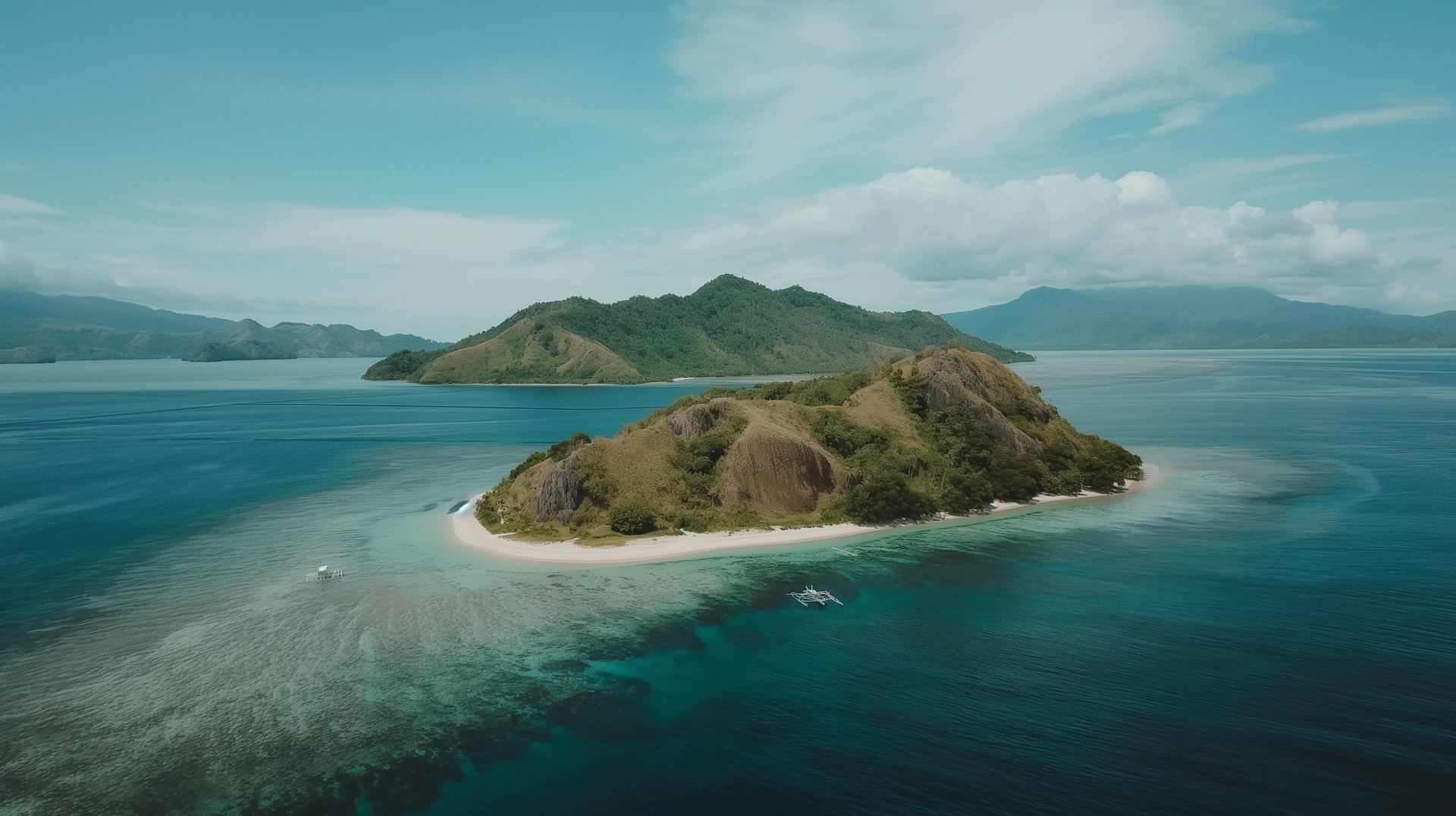
Ticao floats between the Bicol mainland and Masbate, separated from Sorsogon by the deep, current-swept Ticao Pass, the reason divers around the world know this island's name. Above the waterline it's all fishing villages, mangroves and boat-only coves.
The highlights
Manta Bowl, the underwater seamount in Ticao Pass where manta rays gather year-round at cleaning stations. An advanced drift dive and the province's single biggest tourism draw. Full diving guide →
Catandayagan Falls: one of the very few waterfalls in the Philippines that plunges straight into the sea, a ~100-foot ribbon of water off Ticao's west coast. Boat access only; at its best during and just after the rainy months.
Halea Nature Park (Monreal), a marine reserve with a white-sand cove famous as a shark nursery: snorkelers regularly spot baby blacktip sharks in the shallows. Basic cottages if you want a castaway night.
Borobongkaso Rock Formation: a stack of rocks rising from coralline shallows, the classic photo stop on any island-hopping loop.
Bongsanglay Natural Park (Batuan): centuries-old mangrove forest, and a reminder that Ticao's history runs deep: the island produced the famous Ticao Baybayin stones, among the most important pre-colonial script artifacts in the country.
Island hopping
Boats run ₱2,500 to 8,000 depending on size (5 to 15 people), plus ~₱500 for a guide, arrange through the Monreal Tourism Office or your resort. Go early: the pass gets choppy in the afternoon.
Staying there
Ticao Island Resort (Talisay Beach, San Jacinto) is the established dive resort: beach cottages, PADI dive center, daily Manta Bowl boats. A handful of smaller guesthouses and homestays exist in San Jacinto and Monreal; the boutique Altamar resort has operated intermittently. Confirm directly before counting on it.
Getting there
- From Bulan (Sorsogon): Barrun Sealines to San Jacinto, ~1h, three departures daily each way. The route most divers take.
- From Masbate City: boats from Lagundi port to Ticao (~1h), or fastcraft Pilar↔Monreal.
- Ferries run mornings to early afternoon only, no evening crossings.
Bring cash (no ATMs), both Globe and Smart SIMs (coverage is patchy), and reef shoes.